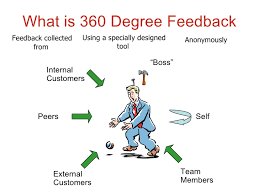


360-degree feedback allows you in receiving the helpful development advice from required multiple sources, and the sources are none other than an employee’s work circle, which includes colleagues, direct reports, and line managers. In most of the cases, 360-degree feedback involves a self- evaluation and some parties prefer to include external parties like suppliers and clients. But such isn’t the scenario always. The 360-degree assessment process is carried out by a team to provide help to each person to improve and progress, and it is all about spotting strengths and weaknesses which are used to plan their personal growth and some specific paths for development.
Cengrows is here to throw the light on the advantages of 360 degrees feedback system, which allows the team to progress. It is a collaborative process which eliminates certain issues that arise when only the managers act instead of allowing the people also to perform with their team.
Following are the advantages to improve the performance:
- Accountability and self- awareness: self-awareness is possible due to feedback only which helps you to be better and enhance your performance. People’s motivation comes from knowing that their works are being well- acknowledged and this helps in being them more responsible towards work.
- Peer group: as a manager, you might have the different view about the employee, whereas, on the contradictory, peers will have a different perspective altogether, as they are more aware of the working styles, the way of interaction and the way they are utilizing their time. This is the reason why 360-degree feedback works and always welcomes the input that managers may lack to provide. It happens many times, you might work with people from the different team or department on the same project, and your manager might not be aware of the know- how’s of the task and the work involved. According to recent research, peer relationship has an enormous impact on the work lives on individuals. All these things directly contribute to the working environment of the office.
- 360 feedback and managers: this feedback also assists the managerial performance which involves receiving both- the constructive as well as positive feedback from your team members. This also encourages the employees to come up with upward feedback on the issues which might have been underground over the period. This is a unique opportunity to expand new insight into your working style and also the way you interact with your team.
Hence, it was found that 360-degree feedback is obliging in the overall development of members and has been found quite beneficial and also, has shown improvement in the task. So all those, who haven’t yet tried it must implement in their company to have the excellent result, as this feedback helps to create more communicative, continually developing and high- achieving team.